
10 Ways Natural Light Improves Productivity in the Workplace
The design of an office has a direct impact on how people feel and perform throughout the workday. While furniture and layout all contribute to workplace efficiency, one often-overlooked factor is natural light. Employees who spend their days in bright, well-lit spaces often report feeling more energized, focused, and motivated than those working in darker environments.
Understanding the ways natural light improves productivity in the workplace can help business owners make smarter decisions when choosing or designing office space. Whether you're managing a growing company or launching a new venture, creating an environment that supports employee well-being can positively affect daily operations and long-term success.
Natural Light Supports Better Focus
A workspace filled with daylight provides an environment where employees can concentrate more effectively. Artificial lighting can sometimes create glare or uneven brightness that causes discomfort over time. Natural light offers a softer, more balanced source of illumination that makes reading, writing, and computer work easier.
When employees are comfortable, they spend less time battling eye fatigue and more time completing meaningful work. Better focus also means fewer mistakes, allowing teams to maintain higher levels of productivity throughout the day.
Improved Mood Leads to Better Performance
Employee morale plays an important role in workplace productivity. Natural light has been linked to improved mood because exposure to daylight helps regulate serotonin levels, which influence emotional well-being.
A brighter office often feels more inviting and positive than one relying entirely on artificial lighting. Employees who enjoy their surroundings are generally more engaged with their work and interact more positively with coworkers and clients.
Businesses that prioritize employee comfort often experience lower stress levels, stronger teamwork, and a healthier company culture.
Better Sleep Means Better Workdays
Natural light exposure during business hours helps regulate the body's internal clock. This circadian rhythm influences sleep quality, which directly affects workplace performance.
Employees who maintain healthier sleep schedules are more likely to arrive at work refreshed and mentally prepared for the day ahead. Better-rested workers typically demonstrate stronger problem-solving skills, improved concentration, and greater patience when handling challenging situations.
Even office workers who spend most of their day indoors benefit from windows that allow daylight into their workspace.
Reduced Eye Strain
Many professionals spend hours working on computers every day. Poor lighting conditions can increase eye fatigue, headaches, and general discomfort.
Natural light provides a more comfortable working environment by reducing harsh contrasts between screens and surrounding surfaces. While computer monitors still require proper positioning to minimize glare, daylight often creates a more pleasant visual experience than relying entirely on overhead fluorescent lighting.
Employees experiencing less physical discomfort can stay productive for longer periods without frequent interruptions.
Increased Energy Throughout the Day
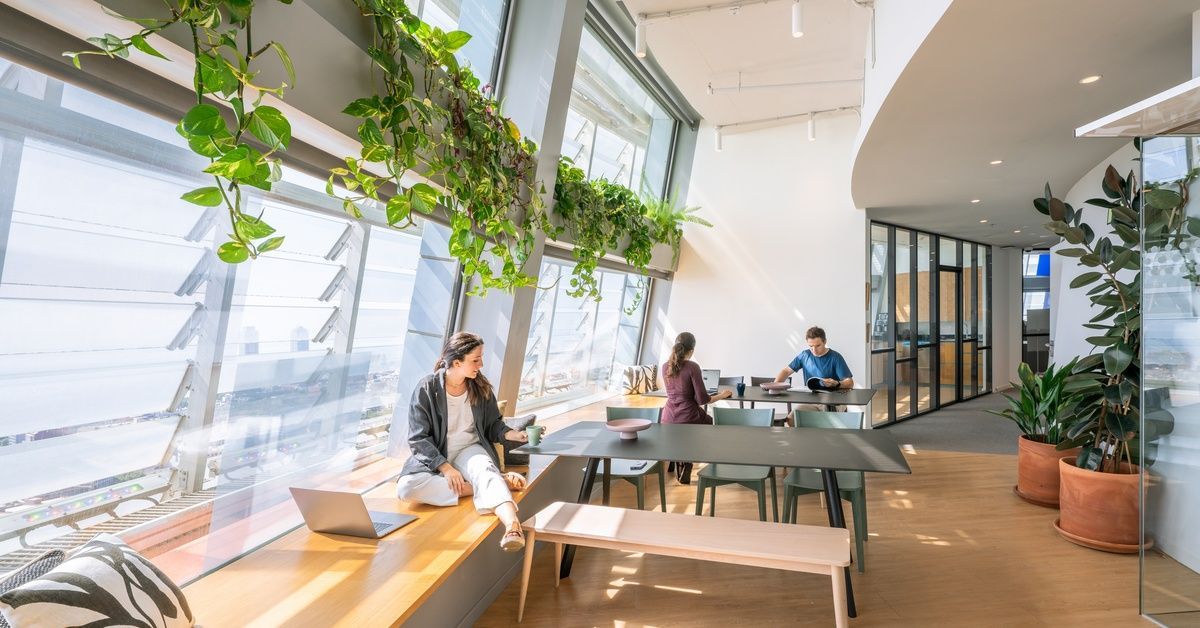
One of the biggest workplace challenges is the afternoon energy slump. Employees often feel less motivated after lunch, making it difficult to maintain productivity.
Exposure to daylight helps promote alertness throughout the day. Natural light signals the body to remain awake and active, making employees feel more energized without depending entirely on caffeine.
A workplace that feels bright and open naturally encourages greater enthusiasm and sustained performance during business hours.
Healthier Employees Take Fewer Sick Days
Employee wellness directly impacts business operations. Healthier workers generally miss fewer days and maintain more consistent productivity.
Natural light supports overall wellness by helping regulate vitamin D production and supporting healthy biological rhythms. While daylight alone cannot prevent illness, offices with access to natural light often contribute to a healthier indoor environment.
Businesses that invest in employee wellness frequently experience better attendance and stronger long-term performance.
More Comfortable Office Environments
Comfort affects productivity more than many people realize. A workspace that feels welcoming encourages employees to remain engaged throughout the day.
Natural light creates a warm, open atmosphere that can make offices feel larger and less confined. This is particularly valuable for professionals who spend extended hours at their desks.
Modern office designs increasingly prioritize window placement because bright workspaces promote both comfort and functionality.
Supports Creativity and Innovation
Creative thinking often flourishes in environments that feel open and inspiring. Natural light can contribute to that atmosphere by making office spaces feel more connected to the outside world.
Employees working in brighter environments may feel less mentally fatigued, allowing them to generate new ideas and solve problems more effectively. This is especially valuable for businesses that rely on collaboration, innovation, or strategic planning.
Providing access to daylight creates a workspace where creativity can develop more naturally.
Makes Offices More Attractive to Employees and Clients
First impressions matter. Office spaces filled with natural light often appear more modern, professional, and welcoming.
Potential employees frequently consider workplace quality when evaluating job opportunities. Likewise, clients visiting a well-designed office are more likely to perceive the business as organized and successful.
Companies seeking premium workspaces often look for offices with large windows because they create a positive experience for everyone entering the building.
Businesses searching for executive suites in Florida often prioritize locations that maximize daylight while offering professional amenities designed to support productivity and client meetings.
Encourages Employee Satisfaction
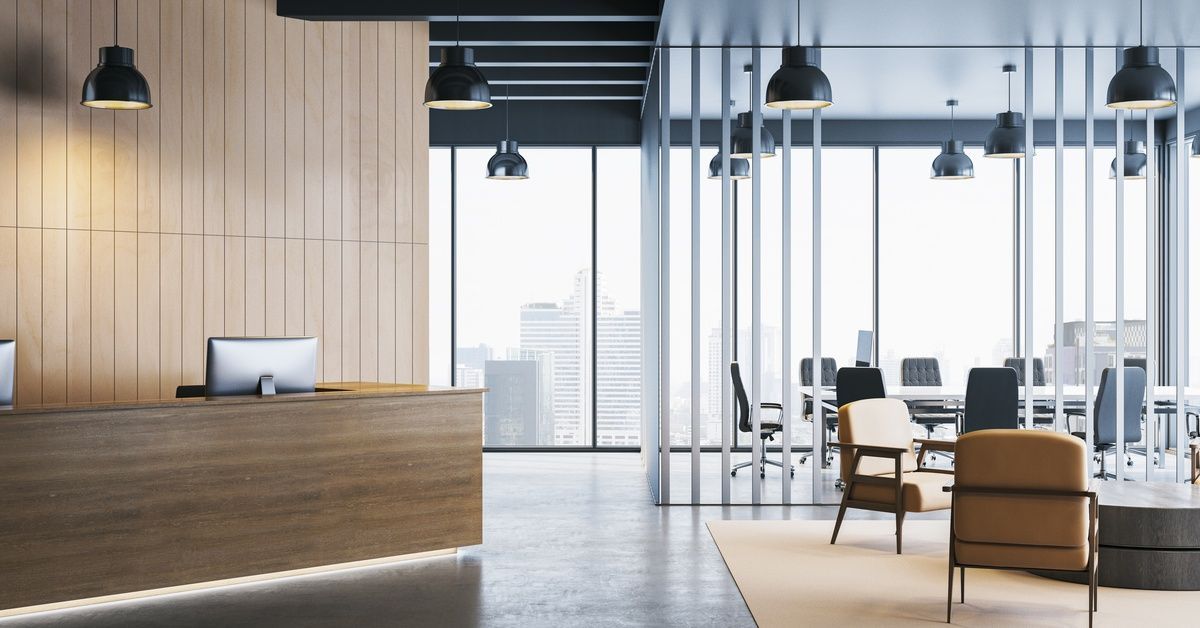
Job satisfaction isn't determined solely by salary or benefits. The physical work environment also contributes to how employees feel about coming to work each day.
Bright offices with natural light can improve workplace satisfaction by creating a more enjoyable daily experience. Employees who appreciate their surroundings are often more engaged, motivated, and loyal to their employers.
A positive environment supports employee retention while contributing to stronger organizational performance.
Choosing Office Space with Productivity in Mind
When evaluating office space, location and square footage are only part of the decision. The amount of natural light available throughout the office should also be considered.
Businesses should pay attention to window placement, the orientation of the building, and how daylight reaches workstations throughout the day. Open layouts that allow sunlight to travel further into the office can maximize the benefits without requiring significant renovations.
Selecting a workspace designed with employee well-being in mind can produce long-term advantages for both productivity and business growth.
Enhance Your Productivity
Understanding the benefits of natural daylight for workplace productivity highlights why office design deserves careful consideration. Natural light supports focus, improves mood, encourages healthier sleep habits, reduces eye strain, and creates an environment where employees can perform at their best.