
How To Balance Privacy and Collaboration in the Workplace
Creating a workplace where teams can thrive involves more than finding the right desks, chairs, and coffee machines. The key is to design an environment that strikes the right balance between privacy and collaboration. Too much collaboration can lead to distractions and burnout, while excessive isolation can stifle innovation and connection. The sweet spot lies in understanding how to create a space catering to individual focus and teamwork.
Balancing privacy and collaboration is necessary for modern businesses aiming to improve productivity, enhance employee satisfaction, and drive long-term success. This guide will explore how to balance privacy and collaboration in the workplace. Whether you’re planning a new office layout or considering upgrading your current space, you’ll find strategies to make your workspace work for everyone.
Why Privacy Matters in the Workplace
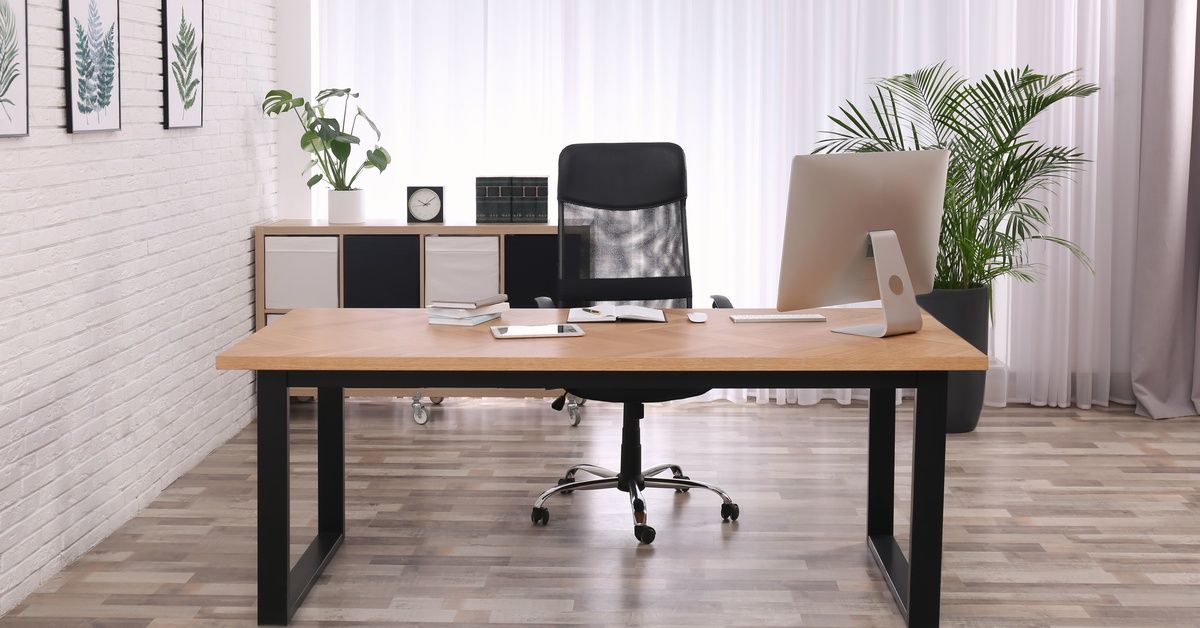
While open-plan offices have become synonymous with modern work culture, a lack of personal space can hinder productivity and well-being. Employees often need quiet, focused time to tackle complex tasks, solve problems, or recharge.
Providing privacy helps reduce distractions and empowers employees to work at their best. It fosters a sense of autonomy and allows them to handle their responsibilities with complete focus. Privacy also plays a significant role in employee well-being, providing a sanctuary from constant noise and interaction, which often leads to stress. When employees feel respected and their need for personal space is acknowledged, engagement and satisfaction naturally increase.
Additionally, privacy can encourage creativity. Allowing team members to disconnect from the noise provides the mental space needed to generate innovative ideas. Privacy also eliminates the fear of constant observation and promotes confidence in approaching tasks.
Why Collaboration Is Vital for Team Success
Conversely, collaboration is the lifeblood of innovation and team dynamics. Gone are the days when workplaces could thrive on siloed departments and isolated workflows. Effective collaboration fuels creativity, builds stronger relationships, and accelerates project execution.
Workspaces that prioritize collaboration allow ideas to flow effortlessly—whether around a whiteboard, during informal brainstorming sessions, or through consistent cross-functional communication. Open communication channels foster trust, ensure everyone is on the same page, and make problem-solving a team effort rather than an individual burden.
Collaboration also brings diverse perspectives, often leading to more robust and balanced decision-making. It creates a culture of shared ownership, where team members are more invested in the outcome. Informal conversations during collaborative efforts, like in communal areas or breakout rooms, can also spark innovative ideas that drive businesses forward.
Tips for Creating a Balanced Workspace
Achieving a balance between privacy and collaboration requires intention and thoughtful design. The following strategies will help you create an environment that celebrates both personal focus and teamwork:
Choose the Right Office Space
Your workspace’s layout and amenities are the foundation of balancing privacy and collaboration. Look for spaces with a mix of open areas, private offices, and designated breakout zones. Flexible features like these allow your team to choose their ideal work setting based on the task at hand.
Explore executive office suite rentals from Coastal Compass for premium workspaces designed with privacy and collaboration in mind. Located in Florida’s Ponte Vedra, Coastal Compass offers thoughtfully designed suites that provide a seamless blend of privacy, comfort, and team-friendly spaces.
Design Flexible Workspaces
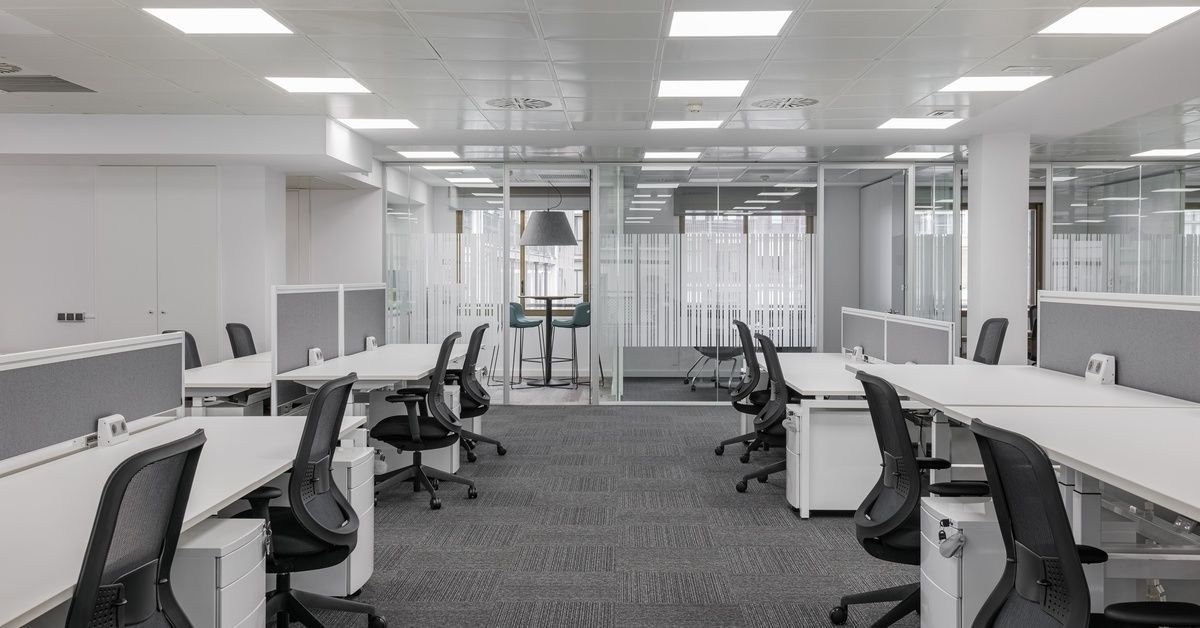
Adaptable workspaces allow employees to control their surroundings. Incorporate portable partitions, movable furniture, and modular layouts that can switch between collaborative and private zones. This agility ensures your office design evolves alongside your team’s needs.
Provide Quiet Zones
Create dedicated quiet zones or rooms where employees can work in peace. These spaces are ideal for tasks that require deep concentration or for people who prefer working without constant interaction. Whether the space is an enclosed booth or a designated quiet area, these zones are necessary in any balanced workplace.
Encourage Clear Communication
Mainstream collaboration works best when boundaries are respected. Establish clear communication protocols to balance group work and individual focus. For instance, using project management tools can minimize in-person interruptions while keeping everyone aligned on project goals.
Implement Hot-Desking Thoughtfully
Hot-desking can be a great solution for agile workplaces, but it can sometimes feel impersonal. Provide personal lockers or small storage spaces for employees to store their belongings and create a “home base” amidst a dynamic, shared environment.
Adopt Noise Control Measures
Background noise can hinder teams from focusing or collaborating efficiently. Use soundproofing elements such as acoustic panels, carpets, and noise-canceling technology to reduce distractions. Thoughtful noise control measures make the office more comfortable for everyone.
Define Collaboration Zones
Designate areas for group work and brainstorming. Open lounges, strategically placed meeting pods, or whiteboard-equipped spaces can encourage creativity and teamwork. Keeping these zones separate from quiet zones maintains a sense of structure in the office layout.
Offer Remote Work Flexibility
Not all collaboration or focused tasks need to happen in the office. Allow employees to work remotely part-time, empowering them to complete tasks in the setting that suits their workflow best. Flexibility to work remotely supports work-life balance and can increase productivity.
Use Technology Wisely
Leverage collaboration platforms such as Slack, Trello, or Zoom to reduce in-person disruptions and enhance teamwork. These tools allow teams to communicate effectively without compromising focused workspaces. Additionally, asynchronous communication options keep everyone connected across varied schedules.
Create Private Offices for Key Roles
Certain roles require high levels of confidentiality or concentration, such as HR managers, executives, or accountants. Providing private office spaces for these positions ensures that their work environment supports their responsibilities.
Promote a Culture of Respect
Beyond physical design, balancing privacy and collaboration begins with respect. Foster an environment where employees understand and value each other’s boundaries. When respect underpins your office culture, employees feel more connected, valued, and productive.
Encourage Feedback on Workspace Design
Regular surveys or one-on-one meetings with employees can help ensure your office supports their evolving needs. Encourage them to share their thoughts about workspace design and incorporate their feedback where possible. A workspace tailored to employees’ preferences creates a supportive and harmonious environment.
Take the First Step Toward a Balanced Workspace
Balancing privacy and collaboration in the workplace is about creating a space where teams can thrive without compromise. Your office can become a hub of productivity and innovation by incorporating designated quiet zones, flexible workspaces, and thoughtful collaboration protocols.
If you’re looking for the perfect place to strike this balance, Coastal Compass has you covered as a trusted office space rental agency. Our executive suite rentals in Ponte Vedra are thoughtfully designed with privacy and collaboration in mind.
From spacious private offices with beautiful views to well-equipped team spaces, we offer a premium setting tailored to modern business needs. Visit Coastal Compass today to explore our available spaces. Your next great workspace awaits.