Top 9 Emerging Trends in Office Space Design
The workplace has undergone a dramatic transformation in recent years, and office space design trends continue to evolve to meet the demands of modern work culture. From hybrid work models to a stronger focus on employee health and well-being, companies are realizing the importance of creating innovative and flexible spaces that inspire productivity and collaboration. When you look at your own professional space, be aware of the top emerging trends in office space design.
Flexible Workspaces for Hybrid Models
One of the most prominent trends in office design is the rise of flexible workspaces, tailored to hybrid work models. With many employees dividing their time between home and the office, companies are shifting away from rigid layouts and individual desks. Instead, communal areas, hot-desking stations, and modular furniture are becoming the go-to for fostering adaptability. These spaces allow employees to choose where and how they work based on the task at hand, which promotes independence while ensuring connectivity within teams.
This trend is more than just a cost-saving measure to reduce unused office space; it reflects a deeper movement toward autonomy and inclusivity. Flexible layouts bridge the needs of remote and in-office workers; they also encourage collaboration when employees are on-site and can provide a seamless experience for all.
Biophilic Design To Enhance Well-Being
Biophilic design is more than a buzzword; it’s an impactful way to improve employee well-being in the workplace. Biophilic design creates environments that reduce stress and boost mental clarity by incorporating elements of nature, such as plants, natural light, and organic materials, into office spaces. Studies show that access to greenery and natural elements in the workplace can enhance mood and increase productivity.
Companies looking to incorporate biophilic principles could add vertical plant walls, skylights, or even indoor gardens. Earthy tones and textures, combined with open layouts that maximize natural light, continue to dominate this trend. This wave of nature-inspired design is fostering healthier, more vibrant office environments.
Technology-Integrated Smart Offices
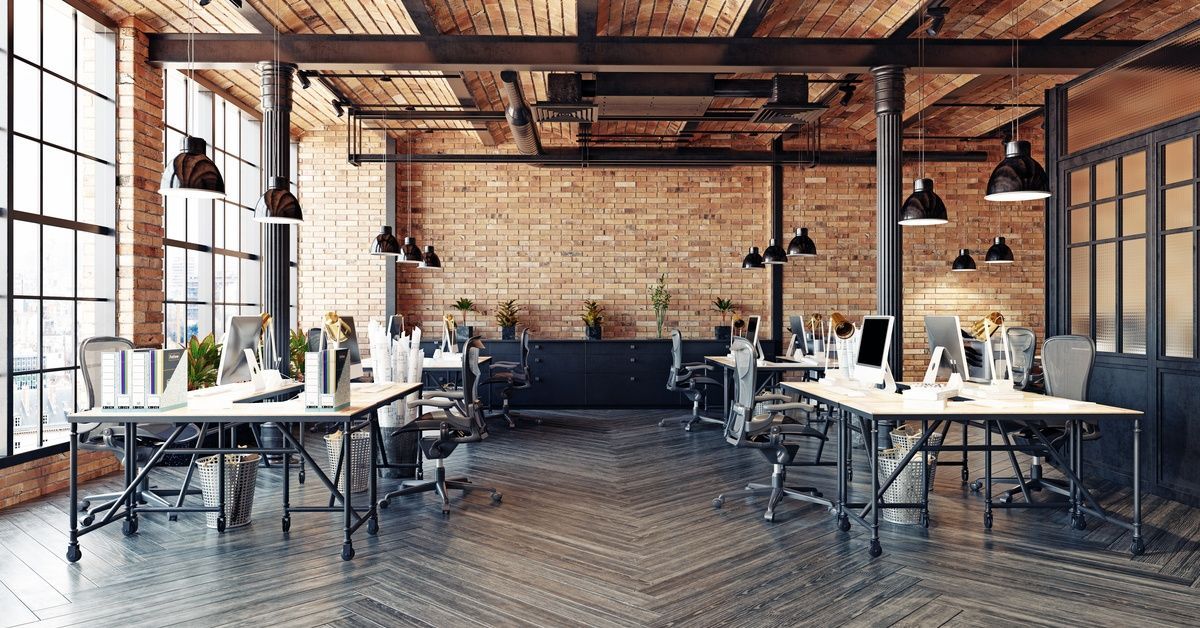
Technology is at the center of modern office design, and smart offices are paving the way for highly efficient, connected workspaces. From touchless entry systems to IoT-enabled devices and advanced conference room setups, offices are being equipped with tools that streamline operations and support seamless collaboration.
For example, with hybrid work arrangements becoming the norm, video conferencing technology now plays a pivotal role in bridging the gap between remote and in-office teams. Meanwhile, smart lighting systems and air quality monitors are improving the physical environment, which ensures employee comfort and sustainability. These tech-forward designs demonstrate a shift toward smarter, data-driven workplaces, where innovation meets functionality.
The Rise of Collaborative Zones
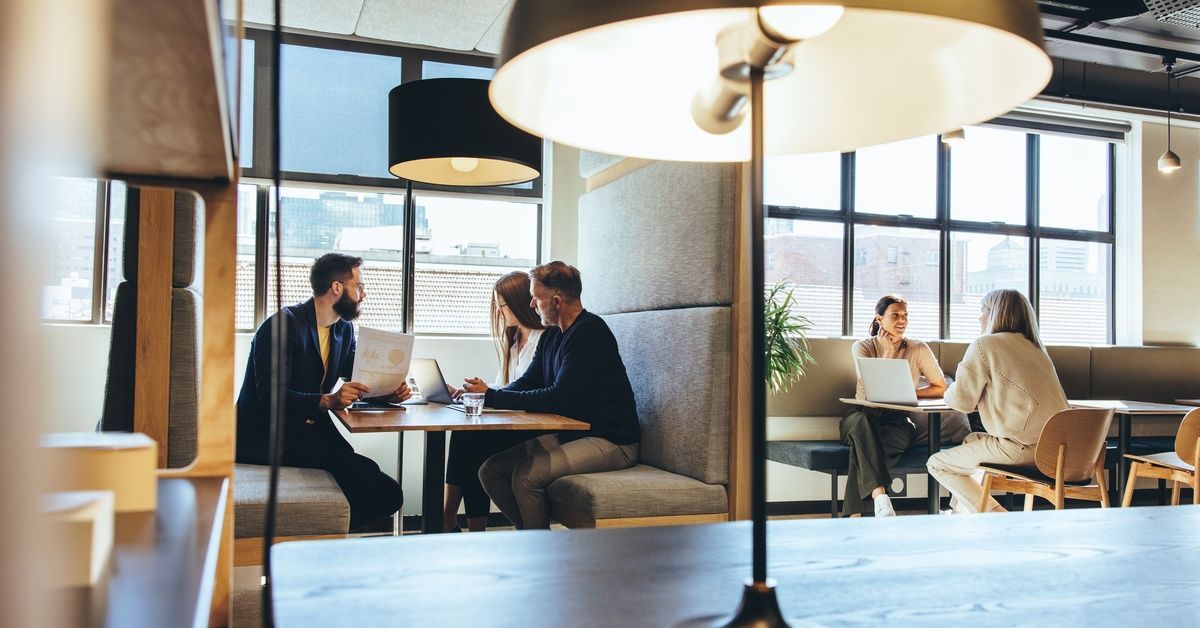
Collaboration is a key component of workplace success, and office designs are increasingly focused on creating spaces where ideas flow freely. Collaborative zones feature dynamic seating arrangements, writable walls, and technology hubs that empower teams to work together effectively.
These zones are not just about brainstorming sessions; they’re also about fostering interaction and building a community within the workforce. Whether it’s an open cafeteria that doubles as a meeting area or breakout spaces with a casual, creative feel, collaborative zones encourage teamwork and innovation.
Prioritizing Employee Wellness With Restorative Spaces
Employee health and wellness are at the heart of many design decisions. Restorative spaces that offer moments of reprieve are becoming a standard feature in modern offices. These spaces might include nap pods, meditation rooms, or sensory spaces that allow employees to recharge both mentally and physically.
By prioritizing wellness-focused features, companies demonstrate their commitment to creating a healthy balance for employees. Beyond boosting morale, such spaces contribute to productivity by helping individuals feel cared for and supported at work.
Focus on Sustainability and Eco-Conscious Materials
Sustainability is no longer a secondary consideration; it’s a key driver of office space design. From recycled materials to energy-efficient lighting, companies are making bold moves to minimize their environmental impact. Sustainable office features can also include HVAC systems that optimize energy use, sourcing furniture built from renewable materials, and adopting designs that support reduced waste.
Air quality and natural ventilation are part of this eco-conscious approach, too, as employees increasingly value workplaces that align with their concern for environmental preservation. Whether it’s LEED-certified buildings or locally sourced materials, sustainable office designs are gaining traction across industries.
Personalization for Employee Engagement
A growing trend involves tailoring office spaces to fit employee preferences and job types. Offering customizable workstations, lounge areas with specific amenities, or personalized lighting setups can empower employees to shape their work environment in a way that maximizes their comfort and productivity.
This trend reflects a shift toward creating a more human-centric workplace that resonates with employees on an individual level. By taking into account employee needs, companies foster a sense of ownership and engagement, which translates to better overall performance and satisfaction.
Multisensory Design for Enhanced Experiences
Multisensory design is an emerging trend in office space design that you can’t ignore. This approach goes beyond aesthetics to engage all human senses, such as sight, sound, smell, and touch. Offices that integrate soft acoustics, ambient lighting, pleasant scents, and varied textures create a sensory-rich experience that elevates the work environment.
Creating such environments is about understanding how sensory elements affect emotions and behavior. Integrating features like customized soundscapes or textured furniture not only adds a unique appeal but also ensures employees feel comfortable and focused.
Offices as Community Hubs
The modern office isn’t just a place for work; it’s evolving into a central hub for connection and engagement. This trend highlights the social function of offices as spaces where employees come together to share ideas, celebrate milestones, and build relationships. To support this, designs increasingly incorporate social zones such as cafés, game rooms, and multipurpose event areas.
These community-focused spaces are vital to foster a sense of belonging, which is crucial in a world where remote work can sometimes create feelings of isolation. The emphasis on social architecture demonstrates how office design is shifting from purely functional to deeply human-centric.
The Future of Office Spaces
The trends in office space design are a reflection of the changing workplace dynamics and modern workforce priorities. Companies are not just investing in aesthetics; they’re creating spaces that foster collaboration, well-being, sustainability, and connectivity. By adopting these emerging trends, workplaces will not only meet the needs of employees today but will also be well-positioned for the future.
Enhance Your Office Space
The innovations shaping office design reflect a deeper understanding of how physical environments impact work culture and employee satisfaction. With continued focus on adaptability, technology, and human-centric design, offices are transforming into vibrant spaces that inspire and support their occupants like never before.
If your company is searching for an executive office space to call home, then Coastal Compass has many locations that can fit your professional needs. Call us today and discover how we can help connect you with your perfect office space.