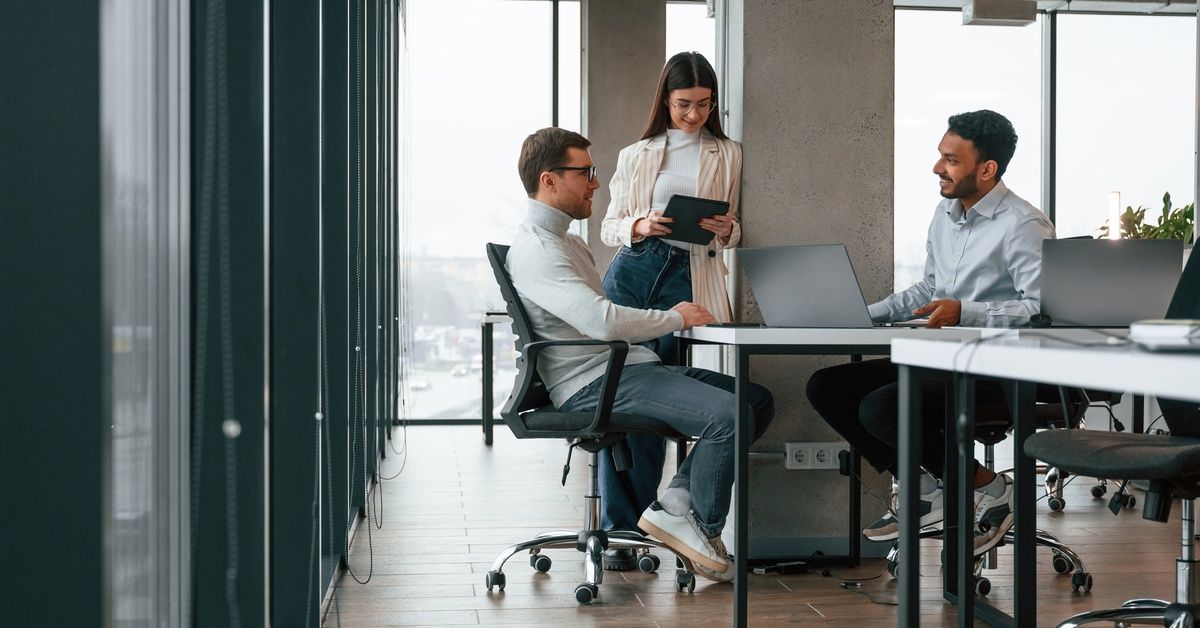
The Impact of Office Aesthetics on Employee Satisfaction
The connection between workplace design and employee experience is stronger than ever. Businesses are beginning to recognize that the physical environment is not just a backdrop for work, but an active contributor to morale, productivity, and retention. At the center of this shift is the impact of office aesthetics on employee satisfaction, a concept that blends design and business strategy into one cohesive approach.
From lighting and layout to color schemes and furnishings, every detail within an office space influences how employees feel and perform. For companies aiming to attract and retain top talent, aesthetics are no longer optional; they are essential.
Why Office Aesthetics Matter More Than Ever
Modern professionals expect more from their workplace than just a desk and chair. They want an environment that supports focus and well-being. Office aesthetics play a key role in shaping these experiences by creating spaces that feel intentional and inspiring.
A well-designed office communicates professionalism and care. When employees walk into a thoughtfully curated space, it reinforces that their comfort and productivity matter. This perception directly contributes to higher job satisfaction and a stronger emotional connection to the workplace.
In contrast, outdated or poorly maintained environments can create friction. Cluttered layouts, harsh lighting, or uninspiring design can subtly drain energy and reduce motivation over time.
The Psychological Influence of Design Elements
Every visual and sensory element within an office has a psychological effect. Colors and spatial organization both contribute to how employees perceive their surroundings and their role within them.
Natural light, for example, has been shown to improve mood and reduce stress. Offices that incorporate large windows or open layouts tend to feel more welcoming and less restrictive. Similarly, color choices can influence behavior. Neutral tones often create a sense of calm, while brighter accents can stimulate creativity and energy.
Furniture and layout also play a role in how employees interact. Comfortable seating and ergonomic setups reduce physical strain, while collaborative spaces encourage communication. When these elements are thoughtfully integrated, they create an environment where employees feel supported both mentally and physically.

Productivity and Performance Benefits
Aesthetics are not just about appearance; they directly impact how work gets done. Employees in well-designed environments tend to be more focused and efficient because the space supports their workflow rather than hindering it.
Clean, organized layouts minimize distractions and make it easier to locate resources. Thoughtful spacing reduces noise and interruptions, allowing employees to concentrate on tasks without unnecessary disruptions. Additionally, aesthetically pleasing environments can boost motivation, encouraging employees to take pride in their work.
Over time, these small improvements compound into significant gains in productivity. Businesses that invest in office design often see measurable returns in performance and output.
Employee Retention and Workplace Satisfaction
Retention is one of the biggest challenges for modern businesses, and workplace environment plays a larger role than many realize. Employees who feel comfortable and valued in their workspace are more likely to stay long-term.
A well-designed office creates a sense of belonging. It shows that the company is invested in creating a positive experience, which fosters loyalty and engagement. This is especially important for professionals in industries like law, finance, and technology, where competition for talent is high.
In this context, the effect of workplace design on employee happiness becomes a critical factor in long-term business success. When employees enjoy coming to work, they are more engaged, more productive, and more likely to advocate for the company.
Branding Through Office Design
Office aesthetics also serve as an extension of a company’s brand. The look and feel of a workspace can communicate values, culture, and professionalism to both employees and clients.
A polished, cohesive design reinforces credibility and trust. For businesses that regularly host clients or partners, the office becomes a physical representation of the brand. First impressions matter, and a well-designed space can set the tone for successful interactions.
This is particularly relevant for companies utilizing executive office space rental, where the environment must reflect a high standard of professionalism while also supporting day-to-day operations. Aesthetic quality in these spaces can elevate both employee experience and client perception.
The Role of Flexibility and Modern Design Trends
Today’s workforce values flexibility, and office aesthetics are evolving to reflect that shift. Modern designs often incorporate adaptable spaces that can serve multiple purposes, from quiet work zones to collaborative meeting areas.
Open layouts, modular furniture, and multi-functional spaces allow businesses to adjust their environments as needs change. This flexibility not only improves efficiency but also contributes to a more dynamic and engaging workplace.
Incorporating elements like greenery and minimalist design further enhances the atmosphere. These trends align with a broader focus on wellness, helping employees feel more relaxed and focused throughout the workday.
Creating a Balanced Work Environment
While aesthetics are important, balance is key. An office should not prioritize style at the expense of functionality. The most effective spaces combine visual appeal with practical design, ensuring that employees have everything they need to perform at their best.
This means considering factors like acoustics, lighting, and accessibility alongside visual elements. A beautiful office that is too noisy or poorly lit will ultimately detract from employee satisfaction rather than enhance it.
Businesses that take a holistic approach to design are better positioned to create environments that support both productivity and well-being. The goal is to create a space that feels cohesive, comfortable, and conducive to success.

The Business Case for Investing in Aesthetics
Investing in office aesthetics is not just a design decision; it is a strategic one. Companies that prioritize their work environment often see improvements across multiple areas, including employee satisfaction and retention.
These benefits translate into tangible business outcomes. Higher satisfaction leads to lower turnover, reducing recruitment and training costs. Improved productivity enhances overall performance, while a strong workplace environment helps attract top talent.
For businesses serving professionals such as lawyers, financial planners, and technology experts, the quality of the workspace can be a deciding factor. A well-designed office signals professionalism and attention to detail, which are critical in these industries.
Prioritize Employee Satisfaction
The impact of office aesthetics on employee satisfaction is evident in how employees feel, perform, and engage with their work. From psychological benefits to productivity gains, the design of an office plays a central role in shaping outcomes.
As businesses continue to evolve, investing in thoughtful, well-designed environments will remain a key differentiator. Companies that prioritize aesthetics alongside functionality are better equipped to create workplaces that inspire, support, and retain their teams.