
Tips for Creating a Productive Workspace for Developers
Developers spend long hours focused on complex problems, writing code, debugging systems, and building digital solutions. Because of this, the environment where they work plays a major role in productivity, creativity, and long-term comfort. A well-designed workspace can improve focus, reduce fatigue, and support deeper thinking.
For many professionals in technology fields such as cybersecurity, recruiting, and software development, having a dedicated office environment can make a noticeable difference in daily output and job satisfaction. When redesigning your office, it’s important to keep some tips for creating a productive workspace for developers in mind to facilitate greater concentration and efficiency.
Start With an Ergonomic Desk Setup
Developers often spend eight or more hours sitting at a desk, making ergonomics one of the most important elements of a productive workspace. An uncomfortable setup can lead to back pain, wrist strain, and fatigue that negatively affects focus.
A good ergonomic workspace starts with the right desk and chair combination. The chair should support the natural curve of the spine while allowing feet to rest flat on the floor. Armrests should allow the shoulders to relax while typing. The desk height should also allow wrists to stay neutral rather than bending upward or downward.
Monitor placement also matters. The top of the screen should be at or slightly below eye level so the neck remains in a natural position. This small adjustment prevents strain that can build up throughout the day.
When developers are physically comfortable, they are less distracted by discomfort and can concentrate on solving technical problems instead.
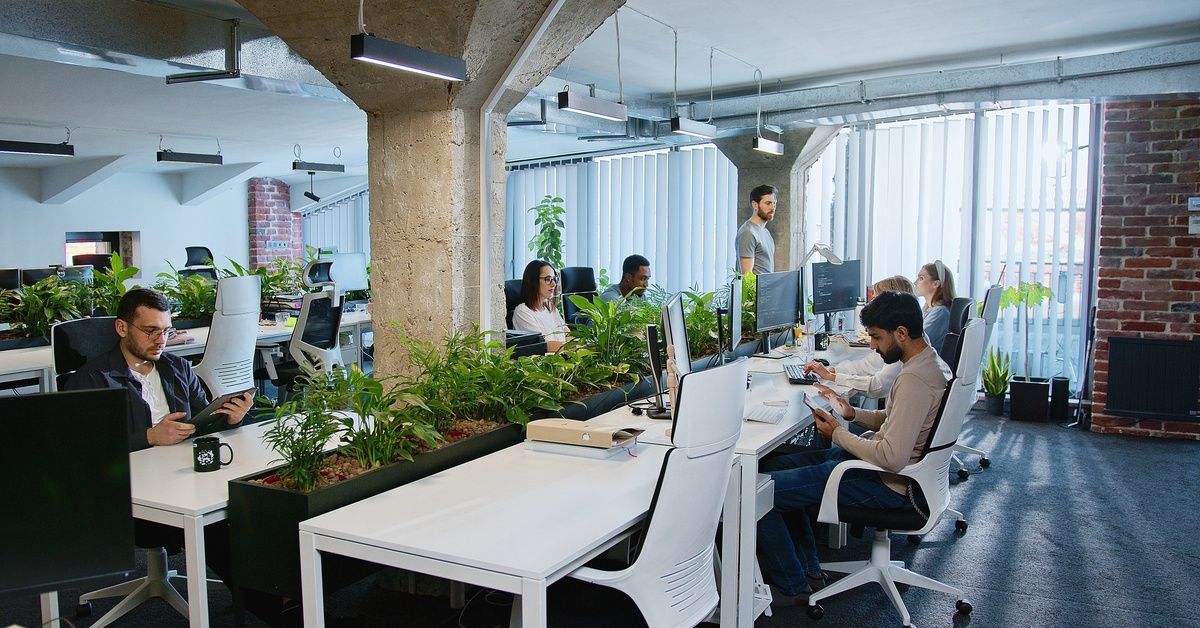
Choose a Quiet and Distraction-Free Environment
Coding requires deep concentration. Interruptions can break mental flow and make it difficult to return to complex tasks. For developers, even small distractions can slow progress significantly.
Creating a quiet workspace helps protect that focus. Ideally, the workspace should be located away from high-traffic areas where conversations or movement can interrupt concentration. If a completely quiet environment is not possible, sound management strategies can help.
Noise-canceling headphones, white noise machines, or soft background music can help mask distracting sounds. Some developers prefer instrumental music because it fills silence without pulling attention away from the task at hand.
Professional office spaces are often designed to support this type of focused work environment, offering quiet areas that allow professionals to concentrate on detailed projects without constant interruptions.
Invest in Proper Lighting
Lighting plays a bigger role in productivity than many people realize. Poor lighting can cause eye strain, headaches, and fatigue, especially during long coding sessions.
Natural light is ideal whenever possible. Workspaces near windows help improve mood and maintain energy levels throughout the day. Exposure to daylight also supports healthy sleep patterns, which can indirectly improve productivity.
However, natural light alone is not always enough. A combination of ambient lighting and task lighting works best. Desk lamps can help illuminate keyboards and screens without creating glare.
It is also important to reduce harsh overhead lighting that reflects off monitors. Soft, balanced lighting helps developers maintain focus for longer periods without visual discomfort.
Keep the Workspace Organized
Clutter can easily accumulate in a workspace, especially when multiple devices, cables, notebooks, and tools are involved. An unorganized environment can create subtle mental distractions that reduce productivity.
Keeping the workspace clean and organized helps maintain mental clarity. Cables should be managed neatly, and unnecessary items should be removed from the desk surface. Developers benefit from having only the essential tools within reach.
Storage solutions such as drawers, shelves, or organizers can help keep items accessible while preventing clutter. Digital organization is equally important. A tidy desktop, organized files, and clearly labeled project folders make it easier to locate information quickly.
An organized workspace allows developers to focus entirely on their work rather than searching for materials or navigating unnecessary visual distractions.
Use Multiple Monitors for Efficiency
Many developers find that multiple monitors significantly improve workflow. Coding often involves referencing documentation, testing applications, monitoring logs, and reviewing code simultaneously.
A dual or triple monitor setup allows developers to keep several tools open at once without constantly switching windows. One screen might display code, another might show documentation, and a third might be used for testing or debugging.
This setup reduces time spent navigating between applications and helps developers maintain context while working on complex projects.
While multiple monitors are not necessary for every developer, they can be a major productivity booster for those working on larger or more technical tasks.

Personalize the Workspace Thoughtfully
While productivity is important, the workspace should also feel comfortable and motivating. Personal touches can make the environment more inviting without creating distractions.
Simple elements like plants, framed artwork, or subtle décor can improve the atmosphere of a workspace. Plants are especially helpful because they add visual interest and can make an office feel less sterile.
However, personalization should remain balanced. Too many decorations can create visual clutter that distracts from the work environment.
The goal is to create a space that feels professional yet welcoming, allowing developers to settle into long work sessions without feeling overwhelmed by their surroundings.
Maintain Comfortable Temperature and Air Quality
Temperature and air quality can strongly affect concentration and comfort. Workspaces that are too hot, too cold, or poorly ventilated can make it difficult to stay focused.
Developers often work best in environments that maintain a stable, comfortable temperature. If possible, adjust the thermostat to avoid extreme temperatures during the workday.
Good airflow is also important. Fresh air circulation helps reduce fatigue and maintain alertness. In professional office environments, proper HVAC systems can help maintain consistent comfort throughout the day.
Small improvements in temperature and air quality can make a surprisingly large difference in overall productivity.
Optimize Technology and Connectivity
Developers rely heavily on fast, reliable technology. Slow internet connections or outdated equipment can interrupt workflow and reduce efficiency.
A productive workspace should include high-speed internet, reliable hardware, and the necessary tools to support development work. This may include powerful computers, comfortable keyboards, responsive mice, and backup storage systems.
Reliable connectivity is particularly important for developers collaborating with teams, deploying applications, or accessing cloud-based environments.
Ensuring that technology performs smoothly allows developers to focus on solving problems rather than troubleshooting their own workspace.
Creating a Workspace That Supports Better Development
A productive workspace for developers combines comfort, organization, and focus. Small changes such as better lighting, improved ergonomics, and reduced distractions can significantly improve the way developers work each day.
For professionals in technical industries, having a dedicated office environment can support deeper concentration and more efficient workflows. Thoughtfully designed workspaces allow developers to focus on building, testing, and refining solutions without unnecessary interruptions.
By creating an environment that supports both physical comfort and mental focus, developers can improve productivity while maintaining a healthier and more sustainable work routine.
If you find that your current office isn’t suitable for your needs no matter how you redesign it, then it may be time to move to a new location. To help narrow your search, it’s critical to partner with an executive suite rental agency so you can find the perfect space for you and your developers. Coastal Compass is here to help connect you with your ideal workspace; contact us to find out more about our properties.